
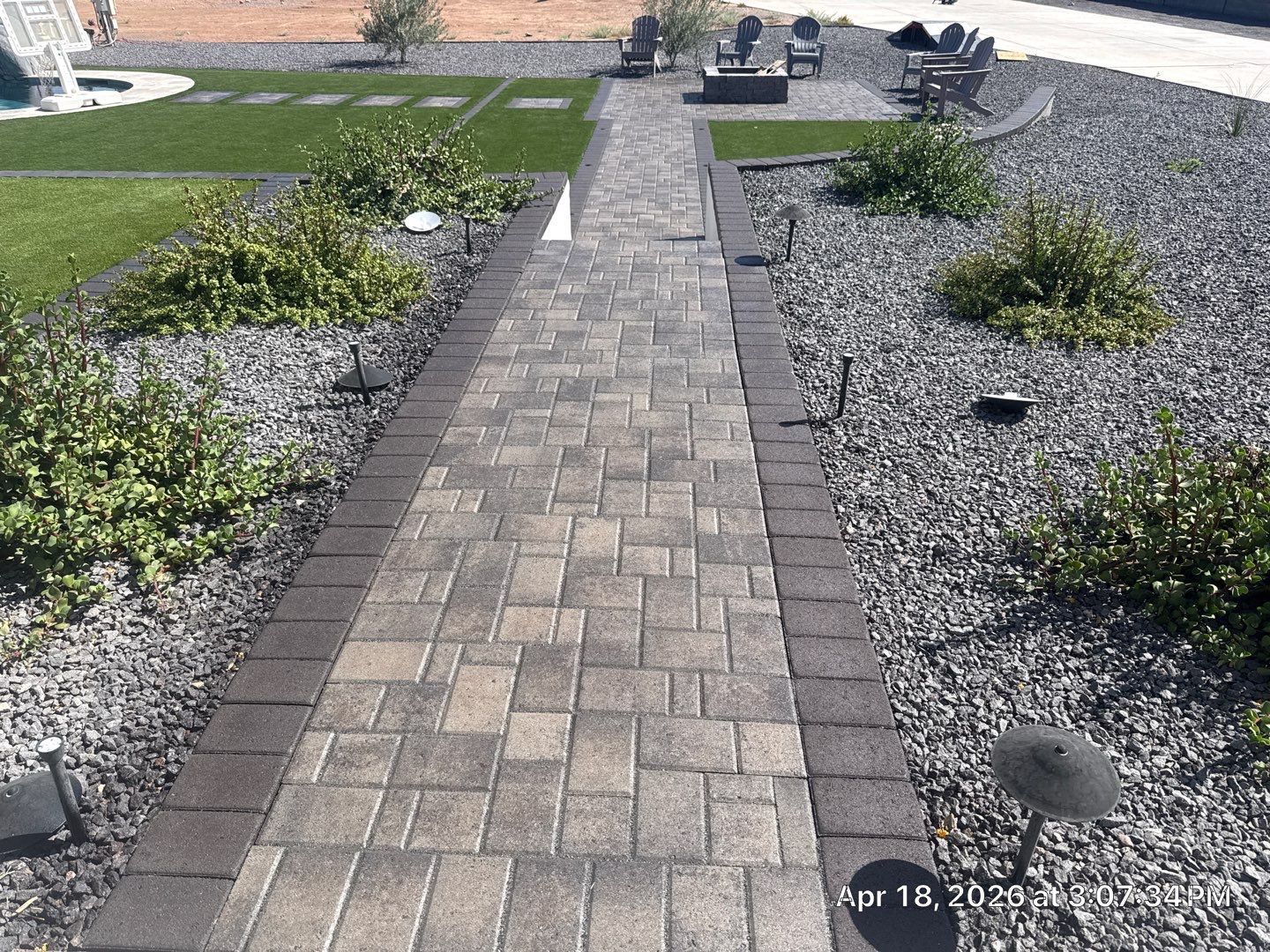
If you’ve ever wondered how often you should seal your driveway or patio pavers, you’re not alone. It’s easy to think once they’re down, you’re done with maintenance—but the truth is, sealing your pavers regularly makes a big difference in keeping them looking great and lasting longer. How often depends on a mix of things like weather, foot traffic, and the type of stone you have. In this article, we’ll break down the best schedule for resealing so your outdoor space stays fresh without adding extra hassle.
Pavers should generally be resealed every 2 to 5 years, depending on factors like climate, sun exposure, traffic level, and the type of paver material. High-traffic areas or harsh weather conditions may require more frequent sealing to effectively protect against stains, fading, and joint sand erosion.
The common advice to seal pavers every 2 to 5 years serves as a helpful guideline, but the real answer depends largely on where you live and how much wear your driveway or patio endures. In hotter, sunnier places like right here in Arizona, your pavers face relentless UV rays which gradually fade their vibrant colors. This fading isn’t just cosmetic—it signals that the protective sealer is breaking down under the weather’s assault, meaning it’s time for another coat sooner than later.
On the flip side, homeowners further north contend with repeated freeze-thaw cycles that can crack or erode unprotected stone surfaces. Roughly 60% of those northern homeowners reseal every three years, knowing that moisture intrusion combined with freezing temperatures accelerates damage unless sealed properly. This cycle emphasizes how climate plays a pivotal role in deciding when to refresh your sealant.
Beyond weather, daily use and foot or vehicle traffic are equally crucial elements in this timing equation.
High-traffic areas naturally suffer more wear and tear—the constant pressure wears down sealers faster than quiet corners do. If your driveway regularly handles cars coming and going or your patio is a gathering spot for lively weekend barbecues, expect to reseal closer to every two or three years. This prevents stains from oil spills or dirt embedding into the pavers, problems that a good sealant helps repel by creating a non-porous barrier.
It’s also important to watch out for clear signs your sealer’s effectiveness is fading. A simple test many professionals recommend is observing how water interacts with your paver surface. When raindrops bead up like little glass marbles instead of soaking in, your sealant is doing its job well. But if water starts sinking in quickly, you’re looking at compromised protection and should plan for resealing soon—even if it hasn’t been several years yet.
Key indicators that it’s time to reseal:
- Water no longer beads on the surface.
- Pavers appear dull or faded.
- Increased stains or dirt buildup.
- Efflorescence (white chalky patches) becomes visible.
- Pavers feel rougher or show signs of crumbling at joints.
Understanding these signs can help you avoid costly repairs and keep your driveway or patio looking fresh for years.
The ideal approach blends time-based schedules with attentive observation. While a rule of thumb like resealing every 3–5 years works fine for many, especially those using quality products like StrongSeal Wetlook Concentrate combined with ColorShot pigments to restore vibrancy, customizing your maintenance based on actual conditions ensures long-term satisfaction.
For most Arizona homeowners, this typically means planning sealing services every 2–3 years, especially if you want to maintain that eye-catching wet-look finish and robust stain resistance. Scheduling professional care through trusted providers—like Chandler Power Wash’s Paver Sealing Service—not only guarantees expert application but also prolongs the lifespan of your investment by using the best materials tailor-made for our unique climate.
Now that you have a better grasp on timing your resealing efforts effectively, it’s important to consider other variables that influence how often your pavers need attention before setting your maintenance schedule in stone.
The lifespan of a sealer and how often you need to reapply it are deeply influenced by the environment around your pavers.
The first and most impactful factor is climate. Consider Arizona's relentless sun compared to California's gentler Mediterranean warmth. Intense heat and UV exposure degrade sealers faster, meaning homeowners in sunny, dry areas might reseal every two years to maintain protection. In milder climates, sealing intervals can extend up to five years without issues.
Climate also includes cold temperatures. Freeze-thaw cycles common in northern states cause water trapped in unsealed joints to expand, cracking stones and mortar over time. Sealers block moisture infiltration, but harsh winters often require more frequent maintenance—sometimes yearly if conditions are severe.
Moving from environmental factors to everyday usage, traffic volume is another key aspect influencing sealing frequency.
Driveways endure heavy vehicle pressure and abrasive tire wear, as well as spills of oil or automotive fluids. Research shows driveways typically need sealing every 2 to 3 years for adequate protection. Patios, subjected mostly to foot traffic and occasional furniture movement, generally last longer—around 4 to 5 years before resealing becomes necessary. This contrast underscores how different usage patterns affect maintenance demands.
Finally, the type of paver material itself governs sealer performance and longevity.
Not all pavers share the same porosity or durability. Dense concrete pavers resist moisture better and retain sealers longer, allowing extended intervals between applications. Porous natural stones like travertine or sandstone absorb water more readily and require more frequent sealing. Clay bricks fall between these extremes but typically need closer attention due to their texture and composition.
| Factor | Effect on Sealing Frequency | Typical Interval |
|---|---|---|
| Climate - Extreme Sun | Accelerates sealer degradation | Every 1-2 years |
| Climate - Mild | Slows degradation | Every 3-5 years |
| Freeze-Thaw Cycles | Requires more frequent sealing | Annual or biennial |
| Traffic - High (Driveway) | Faster wear; oil spills | Every 2-3 years |
| Traffic - Low (Patio) | Less wear; foot traffic only | Every 4-5 years |
| Material - Concrete | Dense surface retains sealer well | Longer intervals possible |
| Material - Natural Stone/Clay | Porous surface wears sealer quickly | More frequent sealing needed |
Understanding these factors helps you tailor your maintenance schedule instead of following generic advice blindly. Simple tests like checking if water still beads on the surface reveal whether it's time for resealing sooner than expected.
For optimal results, regularly assess how your unique climate, use, and materials impact your pavers’ condition. Adjusting your sealing routine accordingly ensures lasting beauty and durability while preventing costly repairs.
Appreciating how frequently to seal sets the stage for understanding why a consistent sealing regimen delivers substantial benefits beyond mere upkeep tasks.
Regular sealing of pavers offers several important benefits that go beyond mere aesthetics. At its core, sealing acts as an invisible shield, protecting your investment from everyday wear and tear while maintaining its original charm. Pavers are constantly exposed to elements—rain, sun, dirt, and traffic—and without proper care, they degrade faster than you'd expect.
One of the most practical advantages of sealing is protection against stains. Whether it’s oil dripping from your car or grease spills around an outdoor grill, sealed pavers repel these substances, preventing them from sinking into the porous surface. Stubborn marks and discolorations that would usually require intense scrubbing simply don’t have the chance to settle permanently. For homeowners with driveways or outdoor kitchens, this benefit alone saves countless maintenance hours while keeping their property looking pristine.
The sealer not only repels water-based stains but also oil and grease—two of the toughest substances to remove from stone surfaces. Considering how easily spills happen during routine activities, sealing creates a durable barrier that keeps cleanup quick and straightforward.
Beyond stain protection, sealing plays a crucial role in weed and insect control by locking joint sand firmly in place between pavers. Joint sand stabilizes stones and prevents shifting but can erode over time due to wind, rain, or foot traffic. When sand washes away, weeds find inviting gaps to take root and thrive. Sealing effectively secures this sand, making it difficult for weeds to sprout.
Studies and homeowner experiences show this noticeably reduces weed growth on sealed patios and walkways compared to unsealed ones. Even insects like ants find it harder to nest where there are no loose gaps—cutting down on pest problems before they start.
A local resident shared with us, “Since Chandler Power Wash started sealing my patio regularly, I’ve noticed a significant reduction in weeds popping up between the stones. It’s been such a relief!” This feedback highlights how sealing isn’t just cosmetic—it’s part of proactive landscape care.
Another compelling reason to seal your pavers is color enhancement and longevity. Exposure to ultraviolet rays causes unsealed stones to fade and lose vibrancy. Many modern sealers contain UV inhibitors designed to combat this fading effect.
After sealing, your pavers often look cleaner with deeper, richer colors—as if freshly installed. This subtle yet impactful improvement elevates your entire outdoor space’s curb appeal.
Moreover, sealing extends your pavers’ life by reducing moisture absorption significantly—dropping from around 8-12% in unsealed stones to less than 2% in sealed ones. This limits freeze-thaw damage during colder months, preventing cracks and surface erosion that would otherwise develop gradually.
| Benefit | How It Helps | Results |
|---|---|---|
| Stain Protection | Repels water, oil, grease | Easier cleaning; fewer permanent marks |
| Weed Prevention | Locks joint sand in place | Less weed growth between stones |
| Insect Deterrent | Eliminates gaps for nesting | Fewer pest problems |
| UV Protection | Contains UV inhibitors | Preserves vibrant color |
| Moisture Resistance | Reduces water absorption | Limits freeze-thaw damage |
Keeping up with regular sealing—ideally every 2 to 3 years depending on environment—not only preserves beauty but also results in real cost savings by minimizing repairs and replacements down the road.
Understanding these benefits naturally raises the question: how can you tell when your pavers need resealing? Recognizing those subtle signs ensures timely maintenance that keeps your driveway and patio looking their best year-round.
One of the simplest and most effective ways to tell if your pavers require resealing is the water bead test. When your pavers are properly sealed, droplets rest on the surface like tiny marbles, refusing to soak in. This happens because the sealer acts like a shield, repelling water, oil, and other fluids. But as time wears on, that protective layer thins out.
When you notice water no longer forming beads but instead quickly soaking into the stone and darkening it, that's a clear signal your pavers have lost their defense and need another sealing treatment. This test is quick, easy to perform outdoors, and gives immediate insight into how well your sealing job is holding up.
While the water bead test offers a practical check, your eyes can also tell detailed stories about the condition of your pavers.
Take a leisurely walk over your patio or driveway and observe the surface closely. Have the vibrant colors dulled or faded significantly compared to when the pavers were first sealed? Fading by 20-30% is not unusual as sealants wear off, especially under strong sun exposure that gradually bleaches natural and stained stones alike. The loss of color vibrancy signals decreased UV protection from the sealer’s inhibitors.
Alongside fading, keep an eye out for increased staining — perhaps spots where spilled oil settled stubbornly or leaves left lasting marks. A sealed surface helps to repel these stains so when they begin to soak in more easily, it's another red flag.
Beyond aesthetics, structural signs beneath the surface can reveal bigger problems looming if resealing gets delayed.
One such indicator involves the joint sand—the fine sand filling the gaps between pavers that stabilizes them. Over time, heavy rain and foot traffic can erode this sand away. When you start seeing weeds sprouting between stones, it's usually because this vital sand barrier has been compromised.
Without it, your pavers shift more underfoot leading to uneven surfaces and potential hazards. Resealing helps lock that joint sand firmly in place, preventing erosion and weed growth while maintaining a smooth walkway or driveway.
Texture changes often go unnoticed at first but offer critical clues about wear on your protective sealant layer.
If your once smooth paver surface begins feeling rougher or develops a chalky texture when touched, this tactile change points toward sealant degradation. This chalkiness—technically known as efflorescence—is caused by moisture trapped below the surface coming through mineral deposits as white powdery haze.
It’s a sign trapped moisture is breaking down the masonry's integrity—a problem resealing helps prevent by creating a proper moisture barrier. Ignoring such textural cues can open doors to deeper damage including cracks or chips that weaken your entire outdoor installation.
Collectively these signs create a checklist you can use seasonally to decide when it's time for garden-tending—not just for plants but for your hardscape too.
| Signs You Need to Reseal | Explanation |
|---|---|
| Water no longer beads but soaks in quickly | Protective sealer worn down |
| Noticeable fading or dullness of color | UV protection diminished |
| Increased staining from spills or debris | Surface repels stains less effectively |
| Joint sand erosion with visible weeds | Sand washed away allowing weed growth |
| Surface feels rough or shows chalky deposits | Efflorescence indicates trapped moisture issues |
| Small cracks or chips appear | Sealant no longer protects against damage |
By checking these factors regularly—especially after harsh weather seasons—you can catch early signs of wear before costly repairs become necessary. It’s part of maintaining not just beauty but long-term functionality and safety for your driveway or patio.
“A well-sealed patio invites years of enjoyment with fewer headaches.”
If any of these indicators catch your eye, scheduling a professional sealing service like those offered by Chandler Power Wash ensures expert application timed perfectly for local climate conditions and stone types—maximizing both protection and lifespan for your investment.
Understanding these warning signs sets the stage for mastering how to apply sealer effectively. Next, we explore the best practices that make sealing not only efficient but long-lasting under varying conditions.
To get the professional results you want, every step in the sealing process matters. For starters, cleaning your pavers thoroughly isn’t just a quick sweep; it demands a focused effort to remove every speck of dirt, dust, and grime. A power washer often does the heavy lifting here, blasting away embedded soils that could otherwise block the sealer from bonding properly with the surface.
This cleaning phase sets the stage for everything that follows because if any residue remains, it can cause uneven patches or peeling later on.
Once your pavers are sparkling clean, the drying phase becomes critical. Moisture trapped beneath a fresh coat of sealer is like setting a trap for future damage—leading to bubbling, discoloration, or even mold growth under the sealant layer.
Waiting 24 to 48 hours ensures not only the stones but also the joint sand between them are dry enough for optimal sealing. Of course, this timing depends on weather conditions; on humid days, allow extra patience.
Moving on to application, using a low-pressure sprayer offers the best control over how evenly your sealer coats each paver. This isn’t the time to rush with heavy sprays or rollers alone; a sprayer delivers a fine mist that settles gently and evenly on the surface.
After spraying a small section, go over it with a foam roller or brush—not just to smooth out excess but also to press the sealer into every nook and cranny. Think of this like gently massaging lotion into skin rather than slapping it on—it’s about absorption and uniform coverage.
Equally important is avoiding over-application. Too much sealer can trap moisture inside the pavers and lead to sticky surfaces or an unnatural shine that wears unevenly.
Striking the right balance means your pavers retain their natural ability to “breathe,” helping them handle temperature shifts and weather changes without cracking or fading prematurely.
Finally, curing time demands respect. It can be tempting to walk on freshly sealed patios or park cars on driveways soon after application—but doing so risks spoiling all your hard work.
A full 24 to 48-hour window without foot traffic or vehicle load lets the sealer fully set and bond with your pavers. In that period, resist the urge to test or rearrange outdoor furniture, no matter how ‘ready’ it feels.
“Patience in sealing pays off with years of enhanced color and protection.”
Take your time with each stage: clean deeply, dry fully, apply evenly with care, then step back during curing. Skipping any part might save minutes now but could cost you in patchy finishes or fast wear down later.
While these best practices provide clear guidelines, misunderstanding around sealing techniques still exists—let's unpack some common myths to ensure you're fully prepared before your next project.
The world of paver maintenance is full of misunderstandings that often mislead homeowners into either neglecting their outdoor spaces or overspending on unnecessary treatments. One common notion is that sealing pavers always makes them slippery. This assumption comes from experiences with certain glossy sealers used indoors, but for exterior surfaces like driveways and patios, there are specifically formulated sealers that maintain excellent traction while providing protection.
So, it’s crucial to select a sealer designed for outdoor use that balances durability with safety.
Another widespread belief is that new pavers don’t require sealing at all since they are fresh and strong. The truth here lies in timing; it’s wise to let your newly installed pavers weather naturally for around a year, allowing any initial chemical residues or efflorescence—a whitish salt deposit—to fade away.
After this settling period, applying sealer becomes essential. Sealing at the right time guards against water damage, fading from sun exposure, and stain penetration, thus extending the lifespan of your investment.
Yet another misconception surrounds the cost involved in sealing pavers regularly. Some homeowners think it’s an expensive luxury rather than a practical step.
From experience, investing in regular sealing actually saves money over time by minimizing potential repairs caused by erosion, staining, or weed invasion between joints. Moreover, sealed pavers retain their vibrant color and resist grime buildup, which means less frequent deep cleanings.
At Chandler Power Wash, we emphasize affordable professional sealing services because quality application significantly boosts the return on your hardscape investment without breaking your budget.
It's also worth tackling the idea that sealing alone can make up for poor maintenance practices such as skipping routine cleaning or neglecting joint sand replacement. Sealers are protective layers, not substitutes for basic upkeep.
Without regular cleaning of dirt and organic debris and occasional topping up of joint sand to prevent weed growth, even sealed pavers can deteriorate prematurely. Therefore, understanding sealing as one vital part within a comprehensive care routine leads to far better results.
To maximize your paver durability and appearance, commit to a combination of scheduled sealant applications every 2 to 5 years—with timing based on local climate—and mindful ongoing maintenance including sweeping, rinsing away stains promptly, and filling joint sand when needed.
This balanced approach combats misunderstandings and sets you up for lasting success with your hardscape surfaces.
If you're ready to protect your driveway or patio with expert sealing tailored to our local environment, explore Chandler Power Wash's specialized paver sealing service. Proper care begins with knowledge, and we’re here to help every step of the way.
Understanding the myths about paver maintenance allows you to make smart decisions that preserve your investment and keep your outdoor spaces looking their best. Regular sealing combined with proper care ensures your driveway and patio stay beautiful and durable for years to come.

1900 W Carla Vista Dr
Chandler, AZ 85246
info@chandlerpowerwash.com
Mon - Sat 7 AM - 7 PM
Closed Sunday
Chandler Arizona Service Areas:
Ocotillo • Fulton Ranch • Downtown Chandler • Sun Groves • Carino Estates •
Clemente Ranch • Arden Park • Circle G • Sunbird Golf Resort • San Marcos Estates • Ironwood Vistas • San Tan Heights • Sun Lakes • The Islands • Chandler Heights
Chandler Power Wash and Paver Sealing | Powered by Pressure Power Pros | Copyright © 2026