
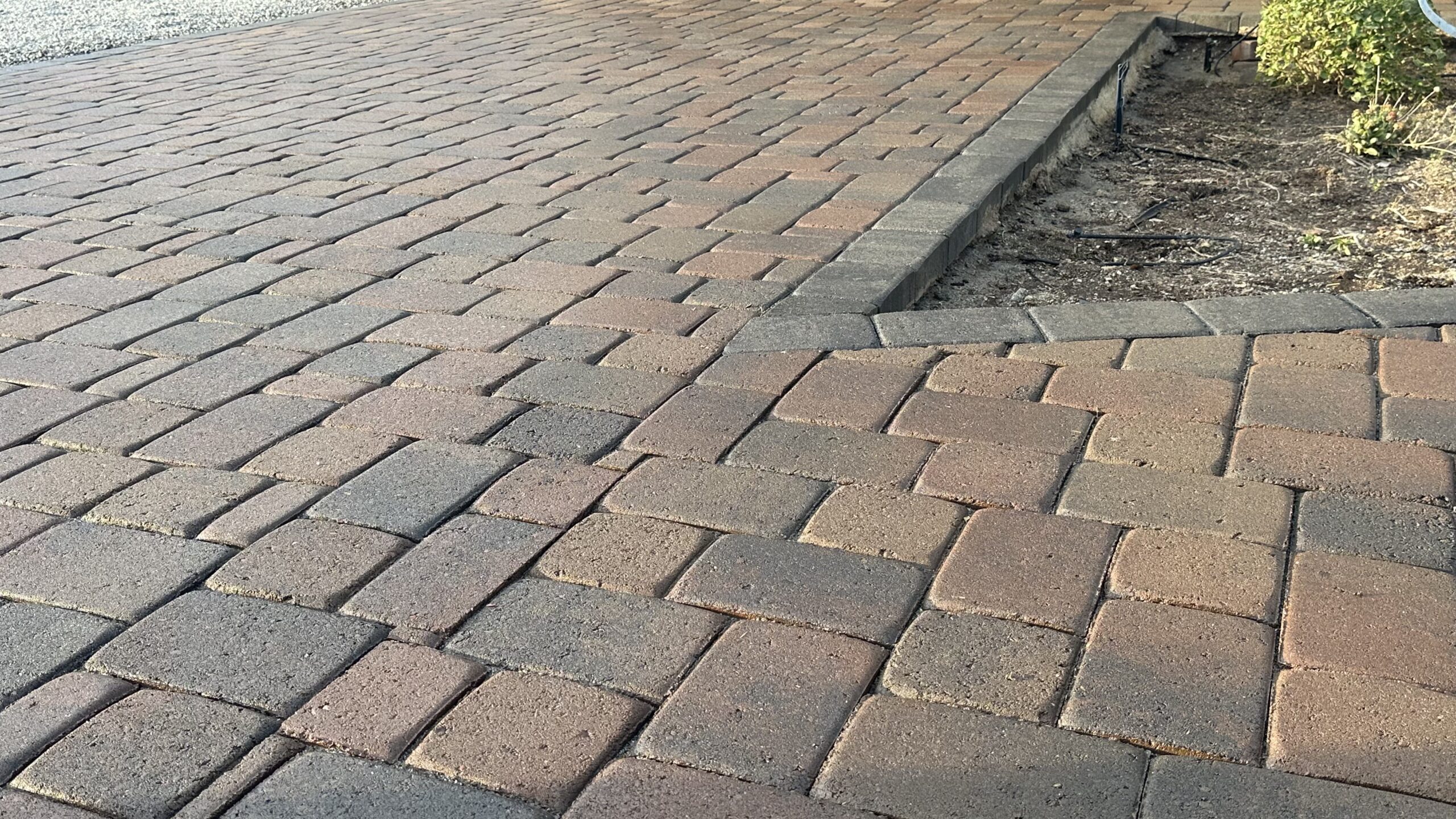
If you live in Chandler, AZ, you know the weather here isn’t just hot—it’s a constant challenge for anything outdoors, especially your pavers. From blazing sun to sudden heavy rains, these elements quietly wear down your walkways and patios over time. Understanding how Chandler’s unique climate affects your pavers is the first step toward keeping them strong and looking good for years. This article breaks down what the weather does to your pavers and offers straightforward tips to help you protect your investment before problems start.
The harsh climate of Chandler, AZ—characterized by extreme heat, monsoon rains, and rapid temperature fluctuations—causes pavers to expand, contract, crack, and shift over time. These conditions accelerate wear through surface damage, soil erosion beneath pavers, staining from dust and sun exposure, and encourage weed growth in gaps, making regular maintenance and sealing critical for preserving their durability and appearance.
Chandler’s desert environment is defined by intense, often brutal summer heat where temperatures soar past 100°F regularly. Such extreme warmth causes pavers to expand during the day and then contract as cooler nights arrive, setting up a constant cycle of thermal stress. Over months and years, this repeated swelling and shrinking can wreak havoc on paver joints, eventually leading to cracks or even loosening of individual stones.
That subtle but relentless movement isn’t always obvious at first, but it gradually erodes the integrity of your paving surface if left unchecked.
To combat this, it's important for homeowners to recognize that paver maintenance is not just about appearance—it’s about preventing costly damage before it happens. Sealing your pavers with UV-resistant products before the blistering summer months can help to stabilize their surface against fading and deterioration caused by sun exposure. These sealers also help maintain paver color vibrancy despite Chandler’s harsh sunlight.
Just as the searing heat pushes your pavers to their limits, Chandler’s seasonal monsoons deliver sudden heavy rains that introduce another set of challenges.
While annual rainfall only averages about 9 inches in Chandler—a modest amount compared to rainier regions—the timing and intensity matter greatly. Between July and September, rapid downpours accompanied by high humidity can quickly wash away the fine sand that locks pavers in place.
Without this crucial joint material, there is nothing to prevent pavers from shifting or uneven settling. Even worse, these damp conditions encourage weed growth and moss between stones, which further degrades their stability and appearance.
For this reason, scheduling a thorough cleaning after every monsoon event is wise. Removing organic debris and replenishing sand joints ensures pavers stay locked tight against moisture-induced forces working beneath their surface. It’s a preventative step many overlook but one that Villages West residents who come to us for sealing services appreciate deeply.
Beyond heat and rushing rains, an often underestimated factor in Chandler’s seasonal weather is the rapid temperature change from day to night.
Evening brings relative relief from daytime highs, plunging temperatures sometimes by 30 or more degrees within hours. This rapid cooling intensifies stresses already placed on pavers during hot afternoons. Pavers may shift slightly overnight or develop micro-fractures invisible to the naked eye but significant over time.
Adding occasional freeze-thaw cycles in rare cold snaps further compounds damage risk; even mild winters can't entirely spare your outdoor surfaces.
A well-planned maintenance routine will include seasonal inspections timed around these shifts—especially after heavy rain events during monsoons and cooler winter months when freeze-thaw threats arise. Early detection of small cracks or unevenness allows you to take corrective action before problems cascade into costly repairs or full replacement.
Understanding Chandler's distinctive weather pattern—its scorching summers, sporadic but powerful rainstorms, and drastic temperature swings—is key to preserving your investment in pavers. Taking proactive steps like applying quality sealants with UV inhibitors ahead of the hot season, replenishing joint sands after monsoon storms, and conducting regular inspections helps extend both the life and beauty of your pavement against the unforgiving desert climate.
With these seasonal challenges clearly impacting your walkways and patios, it's essential next to focus on how extreme heat specifically accelerates wear and tear — a threat that requires targeted strategies for resilient paving.
When temperatures soar in Chandler, the surface of pavers can climb as high as 140°F, creating a harsh environment that’s tough on these hardworking surfaces. What matters most is what happens beneath that scorching surface. Pavers absorb heat that stresses their very structure. This prolonged thermal stress causes tiny cracks to develop, weakening the integrity of each stone or asphalt piece. Over months and years, these fissures grow larger and invite moisture, leading to erosion between the joints and even eventual breakage.
Asphalt pavers experience this differently but with equal concern. At elevated temperatures, asphalt softens considerably. Imagine walking on a sticky surface that slightly deforms with each step—that’s what happens to asphalt pavers baking in the relentless Chandler sun. This softening not only alters their shape but compromises their ability to bear weight without damage. Over time, you may notice unevenness, rutting, or permanent impressions where traffic is heaviest.
The heat doesn’t just affect strength—it also steals away beauty. The vibrant colors chosen for your paver patio or driveway fade into dull, bleached versions of themselves. UV radiation interacts chemically with pigments embedded in colored pavers and gradually breaks them down. The result is a washed-out appearance that makes your outdoor space look aged and neglected rather than well-cared-for.
Because of these realities, simply installing pavers is not enough; proactive protection like sealing becomes vital.
Applying a high-quality sealer acts like sunscreen for your pavers. It locks in color by shielding pigments from UV rays and enhances resistance to cracking caused by thermal expansion and contraction cycles. Sealers create a protective barrier that repels water and prevents dirt buildup, both of which contribute to long-term degradation when combined with heat stress.
Without regular sealing tailored for extreme heat environments like Chandler’s, pavers lose their armor slowly but steadily. Water seepage through unsealed joints expands when heated and contracts when cooled—over many cycles causing joint separation or surface flaking. This daily cycle accelerates wear far faster than in cooler climates.
Schedule resealing every 1-3 years depending on wear patterns and exposure levels. Opt for sealers designed specifically for high temperatures with strong UV resistance—products able to withstand Chandler’s blistering sun without breaking down prematurely.
Beyond sealing, vigilance is key. Regularly inspect paved areas for small cracks or discoloration before they develop into costly repairs. Shade structures or landscaping elements can reduce direct sun exposure and ease some heat burden on pavers.
Actionable tips from servicing Chandler homes include:
Recognizing how Chandler’s climate challenges your outdoor surfaces sets the stage for choosing materials best suited to withstand these conditions while maintaining durability and appeal.
When choosing pavers for your outdoor spaces in Chandler, AZ, the variety of materials you might consider plays a significant role in how well your surface will hold up against the relentless sun and temperature swings. Each material behaves differently under heat stress, moisture exposure, and wear and tear, so understanding their strengths and weaknesses is key to making a lasting investment.
Concrete pavers are a popular choice because they balance affordability and durability. They can typically withstand temperatures up to 150°F, which covers most of Chandler's summer highs. However, the repeated expansion and contraction caused by the desert’s intense daily heat fluctuations makes them prone to cracking over time.
Despite this vulnerability, concrete pavers hold color relatively well when sealed properly every few years, which also helps resist staining from dust and desert grime. If neglected, they can lose vibrancy and become brittle, leading to early replacement costs.
Clay brick pavers bring excellent natural color retention and a classic aesthetic that fits many home styles. Their resistance to UV degradation means the rich reds and browns won’t fade quickly even in blazing sunlight. But this material tends to chip more easily under sudden thermal shocks or from shifting soil beneath during monsoon rains, which can loosen their setting if not supported well.
Because maintenance is generally low—occasional cleaning and resealing every five years suffice—they appeal to homeowners who want a sturdy but attractive option without too much upkeep.
Then there’s natural stone, like granite or sandstone, which offers superior longevity and high heat resistance. Stones such as granite can handle up to 140°F comfortably while also providing a luxurious look that elevates any driveway or patio.
Yet this durability comes at a higher initial cost and occasional sealing requirements to protect porous stones from water damage or staining. Natural stone shines in areas where aesthetics meet performance and where budget allows for an investment that will outlast harsher alternatives.
Asphalt may seem a tempting budget-friendly choice initially, but its resilience falls short when facing the triple threat of Arizona’s sun, heat, and monsoons. Asphalt softens and deteriorates faster under high temperatures exceeding 120°F.
It’s also less resistant to cracking from soil movement compared to stone or concrete options. This usually leads to more frequent repairs or total resurfacing within a decade of installation—a costly cycle that often outweighs upfront savings.
Therefore, understanding each material’s characteristics isn’t just about preferences; it’s about preparing for climate realities so your pavers remain safe, beautiful, and stable for years in Chandler’s demanding environment.
This knowledge also guides maintenance decisions that help extend their lifespan before costly replacements become necessary.
Equipped with this insight into the challenges posed by climate and materials alike, we now turn our attention to ways you can actively safeguard your investment against these relentless forces.
To extend the life of your pavers, proactive care isn’t just recommended—it’s essential. The relentless Arizona sun and sudden seasonal shifts batter outdoor surfaces constantly. One of the most effective defenses against this wear is regular sealing.
Applying a high-quality sealant every one to two years creates a protective barrier that guards your pavers from harmful UV radiation, which can fade colors and weaken materials over time. It also helps prevent moisture infiltration, which in Chandler’s rare but sometimes intense rains can seep into tiny cracks and cause erosion or destabilization beneath the surface.
Think of sealing as sunscreen for your pavement; it shields and preserves. Without it, pavers lose their vibrancy and strength much sooner than they should, leading to costly repairs or replacements. Choosing the right sealant is crucial—products designed specifically for hot, dry climates with resistance to UV rays and water absorption perform best here.
Beyond sealing, water management plays a critical role in protecting your paved surfaces against damage.
Proper drainage is often overlooked but can make or break a paving project’s longevity. Water pooling on or around your pavers leads to serious problems: it softens the underlying soil, causes erosion, and encourages weed growth that disrupts structural integrity.
In regions like Chandler, where monsoon storms drop heavy rain abruptly, an effective drainage system channels water safely away before it can damage your investment.
When preparing or maintaining your landscape, ensure slopes direct water flow away from paved areas. Incorporating drains or permeable materials adjacent to the pavers promotes rapid runoff rather than accumulation. If standing water becomes visible after storms, it’s a sign that adjustments are needed urgently to prevent long-term deterioration.
Even with sealing and drainage in place, regular maintenance is the key to catching emerging problems early.
Inspecting your paved surfaces on a routine basis allows you to spot minor cracks or shifts while they’re still manageable. Left unchecked, small issues evolve into large fissures or unevenness that are more complicated to repair. Prompt attention minimizes labor costs and keeps your outdoor space safe and beautiful.
Scheduling professional evaluations—like those offered by Chandler Power Wash’s Paver Sealing Service—ensures thorough assessments by experts familiar with local climate impacts. Their specialized cleaning and sealing techniques help restore and reinforce pavers regularly, preventing weather-driven damage before it escalates.
| Preventive Measure | Key Benefit | Local Climate Consideration |
|---|---|---|
| Regular Sealing | UV & moisture protection | Shields against Chandler's intense sun & rains |
| Proper Drainage | Prevents soil erosion & standing water | Handles sudden monsoon storm runoff effectively |
| Routine Maintenance | Early detection & repair of cracks | Addresses issues before heat cycles worsen damage |
By weaving these steps into an annual maintenance routine tailored for Chandler’s unique climate challenges, you preserve not just paver aesthetics but their structural soundness over time.
“Weather may be out of our hands—but how we care for our pavements is entirely within our control.”
Understanding these foundational defenses naturally leads us to explore practical approaches tailored for lasting durability and performance under such demanding conditions.
One of the most crucial steps to ensuring your pavers endure the punishing conditions of Chandler is through proper installation. This isn’t just about laying stones down; it’s an art and a science combined. The foundation beneath the pavers must be solid and well-compacted, usually involving several inches of gravel or crushed rock that allows for drainage.
Without this stable base, moisture from monsoons or irrigation can seep in and cause the soil underneath to erode or expand—a subtle process that leads to shifting or uneven surfaces.
Another vital detail lies in maintaining the correct joint spacing between pavers. This might seem minor, but those small gaps serve as buffers that let each stone expand and contract with temperature changes without cracking.
If joints are too narrow or improperly filled, the heat-induced stress—remember, daytime temperatures can exceed 120°F—finds no release, resulting in chips or fractures over time.
Think of it like a dance floor where every dancer needs room to move comfortably to avoid bumping elbows.
Complementing the installation quality are the products you choose afterward—these second-line defenses play a surprisingly big role.
In places like Chandler, using sealants formulated specifically for high-heat and high-UV exposure environments is essential. These coatings act like sunscreen for your pavers: they block harmful ultraviolet rays that cause fading and surface breakdown while preventing water from penetrating deeper layers where it could do damage during monsoon rains.
It’s interesting how technology has evolved here; modern sealants not only offer protection but often enhance color vibrancy and hardness, making your outdoor spaces pop visually while standing up better to wear.
When selecting these products, look for features such as UV resistance rated SPF 30 or higher, heat tolerance beyond typical daytime highs (150°F+), and compatibility with polymeric sands used to fill joints securely against wind-blown dust and weeds.
Locally sourced materials tend to be best because they're tested for Arizona’s specific weather patterns.
By focusing on such details—from rock-solid bases beneath your pavers to advanced protective coatings—you create a layered defense system against nature’s extremes.
Ultimately, these effortful yet straightforward strategies pay dividends by extending your paver’s life span, reducing maintenance frequency, and preserving safety by minimizing cracks or loose stones that could trip someone walking through your yard.
Taking this thoughtful approach helps your outdoor areas stay beautiful and durable through scorching summers, sudden torrential rains, and chilly desert nights alike.
Understanding how to protect your pavers from Chandler's tough weather sets the stage for choosing materials built to withstand these challenges. This next step involves exploring options that combine durability with style for lasting appeal.
Durability isn’t just a convenience in Chandler; it’s a necessity. The region’s intense heat, drastic temperature swings from day to night, and sudden monsoon rains put pavers through their paces. In this environment, selecting the right material means choosing pavers that expand and contract with minimal damage, resist surface erosion from windblown dust and water, and maintain their color despite relentless UV exposure.
Natural stone pavers—think travertine or sandstone—and specially engineered concrete pavers designed for thermal stability top the list for durability here. These materials hold up well against temperatures soaring above 110°F in summer, and they resist cracking because of their ability to accommodate expansion without fracturing. Concrete pavers made for desert climates often feature additives or sealants that reduce water absorption and protect against both staining and wear caused by monsoon moisture. This translates to longer-lasting surfaces that save you money over time.
It may seem straightforward to pick a “strong” material, but the details matter—like thickness, density, and porosity. Thicker pavers—ideally at least 2 3/8 inches for driveways—handle vehicle loads and heat expansion better than thinner varieties. Meanwhile, less porous stones repel water more efficiently, preventing soil erosion beneath during monsoon rains which can cause shifting or sinking. Low-porosity surfaces also limit moss or weed growth between joints, preserving both appearance and structure.
But even armed with this knowledge, navigating all the options is still tricky.
That’s where local professionals come in. Companies such as Chandler Power Wash combine deep understanding of Chandler’s climate with hands-on experience to help homeowners select the best material for their unique needs. They know which pavers balance aesthetics with toughness and which sealing treatments will add years of life to your outdoor surfaces.
Beyond just picking stones or concrete blocks, these experts guide you through maintenance routines tailored specifically for Arizona weather—like scheduling sealant applications before summer’s heat peaks or after monsoon season washes away residues. Their advice ensures your investment keeps looking sharp while standing firm against the elements year-round.
“Choosing durable pavers is only half the battle; protecting them through informed care is what truly lengthens their lifespan,” notes a seasoned Chandler landscaping specialist.
Ultimately, pairing quality materials with expert guidance creates a foundation that not only looks great but endures the tests of heat, rain, and time here in Chandler.
Selecting pavers suited to Arizona’s harsh climate combined with regular maintenance is key to preserving beauty and structural integrity over decades. Working with local specialists ensures your outdoor spaces remain both functional and visually appealing despite challenging weather patterns.

1900 W Carla Vista Dr
Chandler, AZ 85246
info@chandlerpowerwash.com
Mon - Sat 7 AM - 7 PM
Closed Sunday
Chandler Arizona Service Areas:
Ocotillo • Fulton Ranch • Downtown Chandler • Sun Groves • Carino Estates •
Clemente Ranch • Arden Park • Circle G • Sunbird Golf Resort • San Marcos Estates • Ironwood Vistas • San Tan Heights • Sun Lakes • The Islands • Chandler Heights
Chandler Power Wash and Paver Sealing | Powered by Pressure Power Pros | Copyright © 2026